Top garden maintenance tips near Mottingham Station
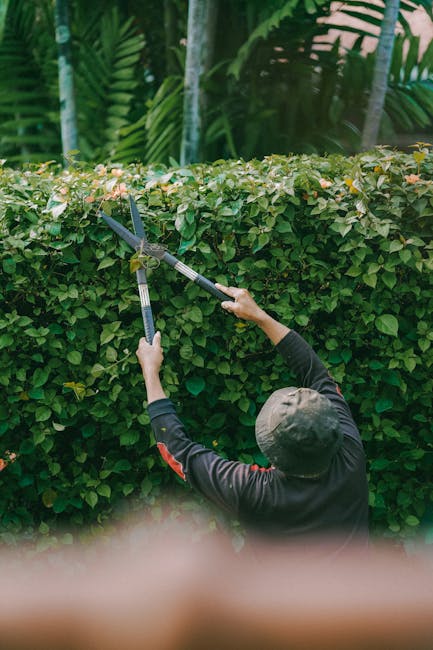
If you live or work near Mottingham Station, keeping a garden in good shape can feel like one of those jobs that never quite ends. One week it's the lawn, next it's the hedges, then suddenly the borders are full of weeds and the whole place looks a bit tired. The good news? A sensible routine makes a huge difference. In this guide to Top garden maintenance tips near Mottingham Station, you'll find practical advice for tidying, protecting, and improving your outdoor space without wasting time or money. Whether you're looking after a small front garden, a family back garden, or a larger property with more demanding upkeep, the basics stay surprisingly similar.
Let's keep it real: most gardens do not fail because of one big mistake. They drift. A missed cut here, a clogged border there, and before long you're playing catch-up. This article shows you how to stay ahead of that, with a local, UK-friendly approach that works in everyday life.
Why Top garden maintenance tips near Mottingham Station Matters
A garden near Mottingham Station is dealing with the same pressures as many South East London outdoor spaces: changing weather, compact plots, busy roads, shaded corners, and the constant tug of fast-growing plants. Some gardens are also affected by passing foot traffic, pollution, or limited storage for tools and green waste. That means regular maintenance is not just about appearance. It is about keeping the space usable, healthy, and manageable.
In practical terms, good maintenance prevents small problems from becoming expensive ones. A neglected lawn can thin out and invite moss. A hedge left too long can become woody and difficult to shape. A border full of weeds can turn planting beds into a weekly battle. And truth be told, nobody wants to spend a Saturday wrestling brambles while the kettle has gone cold.
There is also the comfort factor. A neat, well-kept garden tends to feel brighter, calmer, and more inviting. You notice it the moment you step outside. Even a ten-minute sweep, cut, or deadhead can make the whole place feel more settled.
Expert summary: The best garden maintenance is usually not dramatic. It is consistent, realistic, and seasonal. Small jobs done on time save far more effort than occasional big clear-ups.
How Top garden maintenance tips near Mottingham Station Works
Good garden care works on a simple principle: match the task to the season, then repeat it before the garden gets away from you. That sounds obvious, but many people try to do everything at once. The result is usually frustration. A better approach is to divide maintenance into manageable layers.
1. Observe the garden first
Walk around the space and look at what is actually happening. Where is the grass struggling? Which hedge has outgrown its shape? Which beds dry out too quickly? The first pass should be about diagnosis, not labour. You would be surprised how often the real issue is drainage, shade, or compaction rather than neglect.
2. Deal with safety and access
Before cutting or clearing, remove obvious hazards. Broken pots, unstable branches, slippery paths, and hidden debris are all common in busy gardens. If the site includes larger trees or overgrown sections, it may be sensible to arrange tree lopping and removal or a more formal clearance plan rather than trying to tackle it all in one afternoon.
3. Prioritise the visible, then the functional
It helps to start with the jobs that have the biggest visible impact: mowing, edging, hedge trimming, and clearing weeds from entrances or seating areas. Then move to less obvious but equally important tasks like mulching, feeding, and checking plant health. This sequence gives you a quick improvement without ignoring the underlying health of the garden.
4. Repeat at sensible intervals
Most gardens do better with regular light maintenance than rare heavy intervention. Lawns, hedges, and borders all respond well to consistent attention. If time is tight, a simple routine every one or two weeks is often better than a heroic once-a-season clean-up. Not glamorous, but effective.
Many local property owners near Mottingham Station prefer a structured schedule because it keeps the work predictable. That matters if you rent out a property, manage a family home, or simply do not want the garden to become a second job.
Key Benefits and Practical Advantages
There are plenty of reasons to stay on top of garden maintenance, but the strongest benefits are very down to earth. You see them in the way the space feels and in how much easier the next visit becomes.
- Better kerb appeal: A tidy garden makes a home look cared for from the street and from the back door.
- Healthier plants: Regular pruning, weeding, watering, and feeding support stronger growth.
- Less emergency work: Small issues are cheaper and simpler to fix before they spread.
- Safer paths and borders: Clear access reduces trip hazards, overhanging growth, and slippery build-up.
- More usable space: Lawns, patios, and planting beds stay practical instead of becoming cluttered.
- Lower stress: A manageable garden is simply easier to live with. That counts for a lot, honestly.
There is another benefit people often overlook: maintenance improves decision-making. Once a garden is under control, you can see what it actually needs. Maybe one area needs shade-tolerant plants, not more watering. Maybe a border should be simplified. Maybe the lawn should be reduced because it never gets enough light. Clearer gardens lead to better choices.
Who This Is For and When It Makes Sense
These tips are useful for a wide range of people, not just those with large gardens or gardening experience. In fact, some of the most valuable maintenance routines are the simplest.
Homeowners
If you own a home near Mottingham Station, regular maintenance protects the look and feel of the property. It can also help you spot problems early, such as moss, poor drainage, or plants encroaching on paths and fences.
Landlords and property managers
Tenanted homes often need a practical, repeatable system. A clear garden is easier for occupants to use and easier for you to keep in good order between tenancies. It also reduces the risk of overgrown, neglected areas becoming a bigger job later.
Busy families
Families often want an outdoor space that is safe, tidy, and ready for everyday use. The trick is not perfection. The trick is keeping it pleasant enough that it gets used. A five-minute tidy can make the difference between a garden that invites people outside and one that quietly gets ignored.
Older homeowners or those with limited time
For anyone who finds heavier gardening physically demanding, the right maintenance plan can reduce strain. Focus on easy wins, lighter tools, and regular intervals. If a task involves ladders, repeated lifting, or dense overgrowth, it may be time to get help.
It also makes sense when you are preparing for something specific: a family gathering, a property sale, seasonal planting, or simply the start of spring when everything wakes up at once. Gardens love to do that, don't they?
Step-by-Step Guidance
If you want the best results without overcomplicating things, use a simple order of work. This keeps the garden tidy while also supporting long-term health.
- Clear the surface first. Pick up leaves, fallen twigs, litter, and anything that blocks paths or hides damage.
- Check for obvious issues. Look for dead plants, pests, compacted soil, broken fittings, or signs of waterlogging.
- Mow and edge the lawn. A clean cut and sharp edge instantly lift the whole garden. If the lawn is struggling, consider whether it needs more light, scarifying, or a gentler mowing pattern.
- Weed borders and hard surfaces. Remove weeds before they flower and spread seed. Little and often is the rule here.
- Trim hedges and shrubs carefully. Shape them gradually rather than hacking too much off at once. For denser growth or tall boundaries, professional hedge trimming can give a cleaner finish and reduce stress on the plant.
- Feed, mulch, or water where needed. Not every garden needs all three at once. Judge by soil condition, plant type, and the weather.
- Remove waste properly. Bag, compost, or recycle green waste according to what the site allows. Keeping waste under control stops the job feeling endless.
- Stand back and review. This sounds simple, but it matters. A two-minute pause often reveals what still looks uneven or unfinished.
If the garden has become seriously untidy, a staged approach works better than trying to do everything in one go. In those cases, a more comprehensive garden clearance can reset the space so ongoing maintenance becomes realistic again.
One small but useful habit: work from dry to messy, then from messy to fine detail. That means clearing before trimming, trimming before edging, and edging before the final tidy. It just flows better.
Expert Tips for Better Results
Here's where the difference really shows. The basics keep a garden alive; the better habits make it feel intentional.
Use the right cutting height
With lawns, cutting too short is a common mistake. It can stress the grass, especially in dry spells or shaded areas. A slightly higher cut is often safer and results in a better-looking lawn over time. If a lawn is patchy, trying to scalp it down rarely helps. It usually looks worse before it looks better.
Trim little and often
Fast-growing hedges and shrubs are easier to shape when they are maintained consistently. Small trims preserve structure and reduce the chance of overcutting. This is especially useful near boundaries where growth can quickly feel intrusive.
Choose plants that suit the site
Some gardens near rail lines or busier roads deal with more exposure, while others have deep shade or dry, compact soil. Rather than fighting the conditions, work with them. That may mean hardier shrubs, drought-tolerant planting, or leafier screening in overlooked spaces. If privacy is part of the brief, dense planting or thoughtful screening can help; there are useful ideas in the guide to tall potted plant varieties for outdoor privacy.
Keep an eye on the edges
Edges tell the truth about a garden. If the edges are messy, the whole space feels less managed. Crisp lawn lines, weed-free borders, and properly finished paths can transform the look of a property faster than you'd expect.
Think in layers
Healthy gardens usually have structure: soil condition, plant health, surface maintenance, seasonal jobs, and long-term improvements. If you only treat the surface, the same problems keep returning. Mulching, pruning, and soil care are not glamorous, but they pay off quietly.
Watch the weather and timing
After heavy rain, some tasks are best delayed because soil and turf can be damaged by foot traffic. In dry weather, watering at the right time of day matters more than giving plants a quick splash whenever you remember. A little timing goes a long way.
And yes, sometimes the most expert tip is simply to stop cutting one more inch. The plant will thank you later.
Common Mistakes to Avoid
Even experienced gardeners slip into habits that make maintenance harder than it needs to be. The good news is that most of these mistakes are easy to avoid once you notice them.
- Letting jobs build up: Waiting until everything feels overwhelming usually leads to rushed work and poorer results.
- Cutting too much at once: Heavy pruning can stress hedges and shrubs, and in some cases leave them looking thin for months.
- Ignoring drainage problems: If water sits in one spot, the issue is likely below the surface. Repeated mowing over it won't fix that.
- Using blunt tools: Ragged cuts can damage plants and make simple tasks harder on your hands and wrists.
- Forgetting seasonal timing: Some jobs are better in one season than another. A hasty winter tidy or summer cut can backfire if you push too hard.
- Removing all ground cover: Bare soil can dry out, erode, or attract weeds. A little thoughtful mulching often works better.
- Trying to do the entire garden in one session: This is the classic one. We all do it. Then the back complains, the bin is full, and half the job still needs doing.
The biggest mistake, though, is treating maintenance as purely cosmetic. A garden is a living system. If you only chase appearances, the same issues keep returning in different forms.
Tools, Resources and Recommendations
You do not need a shed full of equipment to keep a garden in good shape. A smaller, reliable set of tools often works better than a lot of awkward ones gathering dust.
Useful tools for routine maintenance
- Lawns: mower, edging tool, rake, and a stiff broom for paths and patios.
- Borders: hand fork, trowel, secateurs, and gloves.
- Hedges and shrubs: quality hedge trimmer or sharp hand shears for more detailed work.
- Clearance: sturdy bags, tarpaulin, wheelbarrow, and a heavy-duty rake.
- General care: watering can or hose, compost, mulch, and a simple notebook or phone note for seasonal reminders.
For many people, the best resource is a clear schedule. A monthly plan can stop the garden from drifting. If you prefer outside help, it is worth comparing what is included in the service rather than assuming every provider handles the same tasks. A general services overview and clear pricing and quotes information can make that comparison much easier.
If you are trying to improve the overall layout or make a garden easier to maintain long term, broader improvements such as landscape gardening or landscaping may be worth exploring. And if patios, decks, or access routes are part of the picture, the site may also benefit from decking services.
Law, Compliance, Standards, or Best Practice
Garden maintenance is usually straightforward, but there are still practical standards and responsibilities worth keeping in mind. This is especially true where work affects neighbours, access, waste handling, or site safety.
For example, overhanging branches, hedges that block light or paths, and debris left on shared access routes can create friction between neighbours. A considerate routine reduces the chance of avoidable complaints. If a garden backs onto public or shared space, it is wise to keep growth controlled before it starts encroaching.
Waste handling is another area where best practice matters. Green waste should be separated sensibly and disposed of in line with local arrangements. Composting, where suitable, can be a practical option. If a job generates a lot of material, planning disposal before the work starts saves time and mess later. The site's recycling and sustainability approach may also help if you want a lower-waste option.
From a safety point of view, using tools correctly, wearing suitable gloves and eye protection when needed, and avoiding risky work at height are all sensible standards. For more information on how a service provider approaches this, check insurance and safety and the health and safety policy. That kind of transparency matters more than glossy promises.
There can also be privacy and access considerations on residential properties. If you are hiring someone to work on-site, it is reasonable to understand how they handle personal data, payments, and terms. The relevant pages on privacy policy, payment and security, and terms and conditions should give you that reassurance.
Options, Methods, and Comparison Table
Different gardens need different approaches. A quick tidy-up is not the same thing as a proper seasonal reset, and a low-maintenance front garden is not the same as a dense rear plot with mature shrubs. Here's a simple comparison to help you decide what fits best.
| Method | Best for | Strengths | Limitations |
|---|---|---|---|
| Routine DIY maintenance | Small to medium gardens with manageable growth | Low cost, flexible timing, hands-on control | Can become time-consuming if the garden grows quickly |
| Scheduled professional maintenance | Busy households, landlords, and larger or faster-growing gardens | Consistent standards, less stress, reliable upkeep | Ongoing cost and the need to agree a clear scope |
| One-off clearance | Overgrown or neglected spaces | Fast reset, immediate visual improvement | Needs follow-up maintenance to stop problems returning |
| Design-led landscaping | Gardens that need a long-term rethink | Improves structure, usability, and appearance over time | More planning, more investment, less instant |
For many people near Mottingham Station, the ideal approach is a mix: a one-off clearance to reset the garden, followed by routine mowing, trimming, and seasonal checks. That combination usually gives the best balance between effort and result. It is practical, not fancy. Which is often exactly right.
Case Study or Real-World Example
Picture a typical rear garden near the station: a medium-sized lawn, a couple of tired borders, a hedge along the back fence, and a paved area that has collected moss and leaves. Nothing dramatic, just one of those gardens that has slipped a bit over a few months.
The first visit focuses on clearing the space. Loose debris is removed, the lawn is cut, edges are trimmed, and weeds are dealt with before they can spread further. The hedge is reduced to a tidy line, but not overcut. The borders are cleaned up and given a fresh layer of mulch. After that, the garden already feels twice as usable.
Then comes the follow-up. A fortnight later, the lawn is still neat because it was cut to a sensible height. The hedge is easier to manage because it was never allowed to get wild. The borders look healthier because the soil is protected and the weeds never got a proper foothold. Nothing magical happened. It was just maintained properly.
That kind of result is common. The garden does not need perfection. It needs rhythm. Once that rhythm is in place, the rest becomes far easier.
Practical Checklist
Use this checklist before, during, or after your next garden maintenance session near Mottingham Station.
- Walk the garden and note the areas that need the most attention.
- Remove debris, litter, and loose branches from paths and lawns.
- Check for weeds in borders, cracks, and around hard surfaces.
- Mow the lawn at an appropriate height for the season.
- Trim hedge growth carefully, especially near boundaries.
- Deadhead, tidy, or prune plants that are finished or overcrowded.
- Look for signs of poor drainage, pest damage, or bare patches.
- Water only where needed and avoid overdoing it.
- Dispose of green waste responsibly.
- Make a note of what will need attention next week or next month.
Quick takeaway: If you only remember one thing, remember this: regular, light maintenance almost always beats irregular heavy work. A little and often really does work.
Conclusion
The best Top garden maintenance tips near Mottingham Station are not complicated. Start with the basics, stay consistent, and avoid letting jobs pile up. Keep the lawn tidy, trim growth before it gets wild, clear debris before it spreads, and make seasonal tasks part of a simple routine. That approach saves time, lowers stress, and gives you a garden that actually feels pleasant to use.
If your garden is already a bit more than you want to tackle alone, that is completely normal. Many outdoor spaces need a reset before routine care makes sense again. Once things are back under control, keeping them that way becomes much easier. And better, really.
Get a free quote today and see how much you can save.
For tailored help, a clearer service plan, or a fresh start for an overgrown garden, it is worth exploring the team's about us page or getting in touch through contact us. A well-kept garden has a way of making the whole home feel lighter. That's not a small thing.
Frequently Asked Questions
What are the most important garden maintenance tasks near Mottingham Station?
The most important tasks are usually lawn mowing, edging, hedge trimming, weeding, clearing debris, and checking for drainage or plant health issues. The exact priority depends on the season and the condition of the garden, but those basics cover most cases.
How often should a garden be maintained?
For many gardens, light maintenance every one to two weeks works well during active growing periods. In quieter months, monthly checks may be enough. The key is not to let small jobs build into a much bigger one.
Is one-off garden clearance enough?
It can be enough to reset an overgrown garden, but it usually needs follow-up maintenance. Otherwise the same problems creep back in. A clearance is a starting point, not the finish line.
What should I do first if my garden has become overgrown?
Start by clearing debris and checking for hazards such as hidden branches, unstable objects, or slippery surfaces. Then tackle the biggest growth first, followed by weeds, lawn care, and detailed trimming. A staged approach is much less overwhelming.
Can regular maintenance improve property value or appeal?
A well-kept garden often improves kerb appeal and makes a property look cared for. While every home is different, a tidy, usable outdoor space is generally more attractive than one that feels neglected.
What is the best way to keep hedges under control?
Little and often is usually best. Regular light trimming keeps shape and density better than rare heavy cuts. If a hedge is tall, thick, or awkward to reach, professional hedge trimming may be the safer option.
Do I need professional help for garden maintenance?
Not always. Small gardens and simple upkeep can often be managed by hand. Professional help makes more sense when the space is large, the growth is heavy, access is awkward, or you simply want a reliable routine without doing the work yourself.
How do I know if a garden needs clearance rather than maintenance?
If the garden is full of debris, heavily overgrown, or difficult to access, clearance is usually the better first step. Maintenance works best once the space has been brought back to a manageable condition.
What should I look for in a garden maintenance service?
Look for clear communication, a realistic scope of work, sensible safety practices, and transparent pricing. It also helps if the service explains what is included and how green waste or seasonal changes are handled.
Are there safety or compliance issues to think about?
Yes. It is sensible to consider tool safety, waste handling, boundary issues, and whether any work creates hazards for neighbours or visitors. A responsible provider should be able to explain their safety approach clearly.
Can garden maintenance be eco-friendly?
Absolutely. Composting suitable waste, using mulch, avoiding unnecessary chemical treatment, and choosing plants that suit the site all help. Sustainable maintenance is often simpler and cheaper in the long run too.
What if my garden has privacy problems or overlooked areas?
That is quite common in local residential gardens. Taller planting, carefully trimmed hedges, or structured screening can help. For more ideas, it can be useful to look at plant options that add privacy without making the space feel cramped.